

When you think about getting your home ready for holiday guests, your mind probably jumps to cleaning the kitchen, setting the table, and figuring out where everyone is going to sit for dinner. What often gets forgotten is where everyone is going to sleep. Yet for your visitors, the guest room mattress can matter more than the centerpiece on the dining table. A good night’s sleep can be the difference between cheerful mornings and groggy, sore relatives dragging their feet to breakfast.
During the rest of the year, the guest room might not feel like a priority. It might double as a home office, a hobby room, or a place where extra boxes end up. The bed in there may be a hand-me-down from years ago, the mattress you moved when you upgraded your own bed and “didn’t know what else to do with it.” As long as no one complains, it is easy to assume the mattress is fine. But as sleep experts constantly remind us, mattresses are not meant to last forever, and their support, pressure relief, and comfort decline over time. Most conventional mattresses are ready for retirement somewhere between about six and ten years of regular use, sometimes sooner if they were budget models to begin with.
Now imagine your holiday guests are lying on something that already passed its prime years ago. They may not say anything, but they feel the lumps, the sagging in the middle, or the way one person rolls and the other bounces. Because guest beds are often used less frequently, problems can go unnoticed until a full week of holiday visits makes them impossible to ignore. Choosing the right mattress for your guest room is about deciding that you want visitors to feel genuinely cared for, not just housed.
Bel Furniture will walk you through, step by step, how to choose a guest room mattress that feels welcoming, practical, and smart for your budget.
Seeing Your Guest Room Through Your Guests’ Eyes
The first step in choosing a guest room mattress is to pause and imagine the space from your visitors’ point of view. For you, it might be “the room where the old treadmill lives” or “the office with a bed in it.” For your guests, it is their bedroom for the length of their stay. They may be adjusting to a new time zone, recovering from a long drive, or winding down from holiday gatherings that feel louder and busier than their normal life.
For many visitors, especially grandparents, adult children returning home, or friends traveling from out of town, sleep is not just about comfort; it is about pain management and energy levels. A mattress that is too soft can leave their lower back aching. One that is too firm can make shoulders and hips sore. If the bed creaks, sags, or bounces every time they roll over, they may struggle to stay asleep through the night. Sleep and health professionals repeatedly point out that mattress comfort is one of the biggest factors in getting quality rest, whether you are at home or away.
Think about who stays with you most often. Do you typically host an older couple who share the same bed? Do adult kids come home with partners? Are you the house where nieces and nephews pile in, with one adult and one child sharing the guest room? Different guest profiles change what “right mattress” means. Older guests may need easier mobility and good edge support so they can sit and stand without effort. Younger guests might care more about motion isolation, so they do not wake up every time the person next to them moves.
The amount of time guests stay matters too. A one-night stay might be fine on a mattress that is “good enough.” But if you regularly host people for four, five, or ten nights over the holidays, the mattress needs to support their body night after night without leaving them stiffer each morning. Longevity of comfort is part of the equation.
Your guest room probably also has to balance comfort with flexibility. Maybe it functions as an office most of the year, so the bed cannot dominate the entire room. Maybe it doubles as a kids’ playroom when no one is visiting. All of those things matter when you decide the size and type of mattress you want to bring in.

What Makes a Good Guest Room Mattress? The Case for “Middle Ground”
One of the reasons choosing a mattress for yourself can be tricky is that everything is deeply personal: your weight, your preferred sleeping position, your temperature, even whether you like to feel hugged by the bed or float more on top of it. Guest room mattresses are different. You are not shopping for one person; you are trying to make many different people “at least comfortable” over time.
Sleep experts and mattress reviewers agree on one big point: there is no single best mattress for everyone, because ideal comfort depends on body type, sleep position, and preferences. That said, there is a fairly consistent sweet spot for guest rooms. A medium-firm feel tends to work for the widest range of sleepers. Many firmness guides describe medium-firm as around a six or six and a half out of ten on the typical firmness scale. Guest-room-specific guides also lean heavily toward this middle-ground option, noting that a medium-firm mattress balances support with cushioning for side, back, and combination sleepers.
In practical terms, “middle ground” means a mattress that does not fold under your guest’s weight, but also does not feel like a board when they lie down. A medium-firm hybrid or foam mattress can cradle shoulders and hips for side sleepers while still keeping the spine aligned for back sleepers. When you imagine a wide variety of guests, from a petite aunt to a taller friend, a medium-firm comfort level gives you the best chance that everyone will say, “That bed was actually really nice,” instead of politely pretending they slept well.
For a guest bed, you typically want a neutral feel rather than something very specialized. Ultra-plush mattresses that you sink deeply into can feel luxurious to some, but suffocating or unstable to others, especially older guests who might find it harder to move around. Extra-firm beds can work for people who love that feel, but they can be unforgiving on joints for many visitors. Choosing a balanced feel in the middle is usually the safest, most guest-friendly choice.

Choosing the Right Size for Your Guest Room
Once you have a sense of comfort, the next big decision is size. Mattress sizes are standardized in the U.S., with common sizes running from twin up to California king. Twin beds measure roughly 38 by 75 inches, full beds about 53 by 75, queen beds 60 by 80, and king beds 76 by 80, with twin XL and California king as special sizes for extra length. The right size for a guest room is always a dance between the space you have and the type of guests you host.
In a very small room, a twin or twin XL can be enough, especially if most of your guests are solo travelers, kids, or single adult relatives. A twin XL has the same width as a twin but adds length, which can make a surprising difference for taller guests. If you have space for two twins, you can either push them together for couples or separate them for siblings or friends.

A full-size mattress (sometimes called a double) can be a good compromise for smaller guest rooms that still need to sleep couples occasionally. It gives more width than a twin but does not take up as much floor space as a queen. That said, full-sized mattresses can feel tight for two adults, especially if they are used to sharing a queen or king at home.
The most popular guest room size is usually a queen. A queen mattress provides enough width and length for most couples to sleep comfortably without taking over the entire floor. It offers more flexibility: one adult, two adults, an adult and a child, or even two kids can all share a queen bed as needed. If you have the room, a queen-size guest bed is often the most practical long-term choice.
King-size mattresses in guest rooms are less common but make sense in certain homes. If you regularly host a couple who are larger, older, or used to a king at home, offering them the same space can feel very generous. In large homes where the guest room doubles as a secondary master suite, a king bed can also help the room feel more luxurious.
As you choose size, remember walking space and function. It is better to have a queen mattress with comfortable clearance around the sides than a king mattress that forces guests to sidestep sideways between the bed and the wall or makes it hard to open closet doors. A mattress that fits the room gracefully will always feel more inviting than a huge one that overwhelms the furniture around it.

Foam, Hybrid, or Innerspring? Picking the Right Mattress Type
Size and firmness are only part of the story. Modern mattresses come in several main types: traditional innerspring, all-foam (often called memory foam if a certain type of foam is used), and hybrids that combine coils with foam layers. There are also latex and airbed options, but for most guest rooms, the first three categories cover what you are likely to see at Bel Furniture.
Traditional innerspring mattresses use coil systems for support and rely on thinner comfort layers on top. They tend to feel bouncy and responsive, and people who grew up on older mattresses sometimes instinctively prefer that feel. They can be a solid guest room choice when you want good airflow and a familiar experience, especially if you add a quality mattress topper to dial in extra cushioning.
All-foam mattresses use layers of polyurethane foam, memory foam, or specialty foams to create both support and cushioning. They are popular because they excel at conforming to the body, reducing pressure points, and isolating movement between partners. That last part is especially important for guest rooms that regularly host couples; a mattress that absorbs motion instead of broadcasting it across the surface helps different sleepers coexist more peacefully. Many mattress buying guides emphasize that there is “no single best mattress,” but foam models often stand out for pressure relief, especially for side sleepers.
Hybrid mattresses try to give you the best of both worlds: a support core of coils for bounce and durability, topped with thicker comfort layers of foam for pressure relief and motion isolation. For a guest room, a medium-firm hybrid is an excellent middle-of-the-road choice because it performs reasonably well for many body types and sleep positions. Back sleepers get the support they need, side sleepers get cushioning around their shoulders and hips, and couples get enough motion isolation to avoid waking each other every time someone turns over.

Getting Firmness Right for a Wide Range of Sleepers
Firmness is where a lot of people get nervous. You may love a plush pillow-top that feels like a cloud, while your partner prefers something much firmer. So what do you put in the guest room, where you do not even know exactly who will be sleeping there next month?
Firmness is often rated on a ten-point scale, with one being extremely soft and ten extremely firm. Independent mattress testers consistently describe medium-firm as landing around six to seven on that scale, and they note that this range tends to work for the widest variety of sleepers. Many guest-room-specific recommendations argue that a medium-firm or slightly softer-than-medium feel is ideal, because it balances support for back and stomach sleepers with cushioning for side sleepers.
Comfort also depends on body weight and shape. A lighter guest may experience the same mattress as firmer than a heavier guest would, simply because they do not sink as deeply into the comfort layers. A medium-firm mattress that feels perfect to a 190-pound relative might feel closer to medium-firm-plus to a 120-pound visitor. That is another reason to avoid extremes for guest rooms. If the bed is already on the very firm or very soft end of the spectrum, those differences in body weight can push it into “uncomfortable” territory for some guests.
If you are still worried about catering to multiple preferences, remember that you can fine-tune feel with layers. A high-quality mattress protector keeps things hygienic; a removable topper can add a touch more plushness if you start with a supportive core. Starting with a supportive, medium-firm base gives you flexibility over time, especially if you find that most of your guests tend to prefer either a slightly softer or slightly firmer surface.

Why Mattress Thickness and Support Matter in a Guest Room
Thickness might not be the first thing you think about when choosing a guest room mattress, but it quietly affects comfort, durability, and even how easy it is for guests to get in and out of bed. The average mattress today usually falls between about eight and fourteen inches thick, with many standard models around ten to twelve inches.
Thinner mattresses can work for light-use guest beds, especially in smaller sizes, but they often have fewer layers to distribute weight and relieve pressure. If you regularly host adults, aim for at least eight to ten inches of total mattress height, and in many cases, ten to twelve inches will feel noticeably more substantial and supportive. Sleep experts note that adults are generally most comfortable on mattresses of at least eight to ten inches, with memory foam and hybrid models often performing best around ten to twelve inches because they have enough room for both support and comfort layers.

Higher-profile mattresses also impact bed height, especially when combined with certain foundations or box springs. For older guests, a bed that is too low can be hard to get out of, while one that is too high can be awkward to climb onto. When you choose your guest room mattress at Bel Furniture, consider the full setup: bed frame, foundation, and mattress. Ideally, your guests should be able to sit on the edge of the bed with their feet flat on the floor and stand up without strain.
Thickness ties directly into durability too. All else equal, thicker mattresses with more robust support cores tend to resist sagging longer than very slim models. Because guest beds are often used less frequently than primary beds, a well-chosen ten- to twelve-inch mattress can stay comfortable for many holiday seasons before it shows meaningful signs of wear, especially if you protect it with a high-quality waterproof cover and rotate it periodically according to the manufacturer’s instructions.

Thinking About Temperature, Allergies, and Hygiene
A well-chosen guest room mattress does more than provide support; it also helps create a comfortable microclimate and a healthier environment. Temperature and allergies are two areas where many guests have unspoken needs.
Some people naturally sleep hot; others run cold. Depending on where you live, holiday guests might be arriving from cooler or warmer climates. In a place like Texas, for example, winter nights can vary, and guests who are used to colder climates may find your “chilly” night pleasantly mild while others still prefer breathable bedding and a mattress that does not trap too much heat. Memory foam mattresses have evolved over the years, and many now incorporate cooling gels, open-cell foams, or breathable covers to help dissipate heat. Hybrid mattresses, with their coil cores, naturally allow more airflow than solid foam, which can help with temperature regulation.
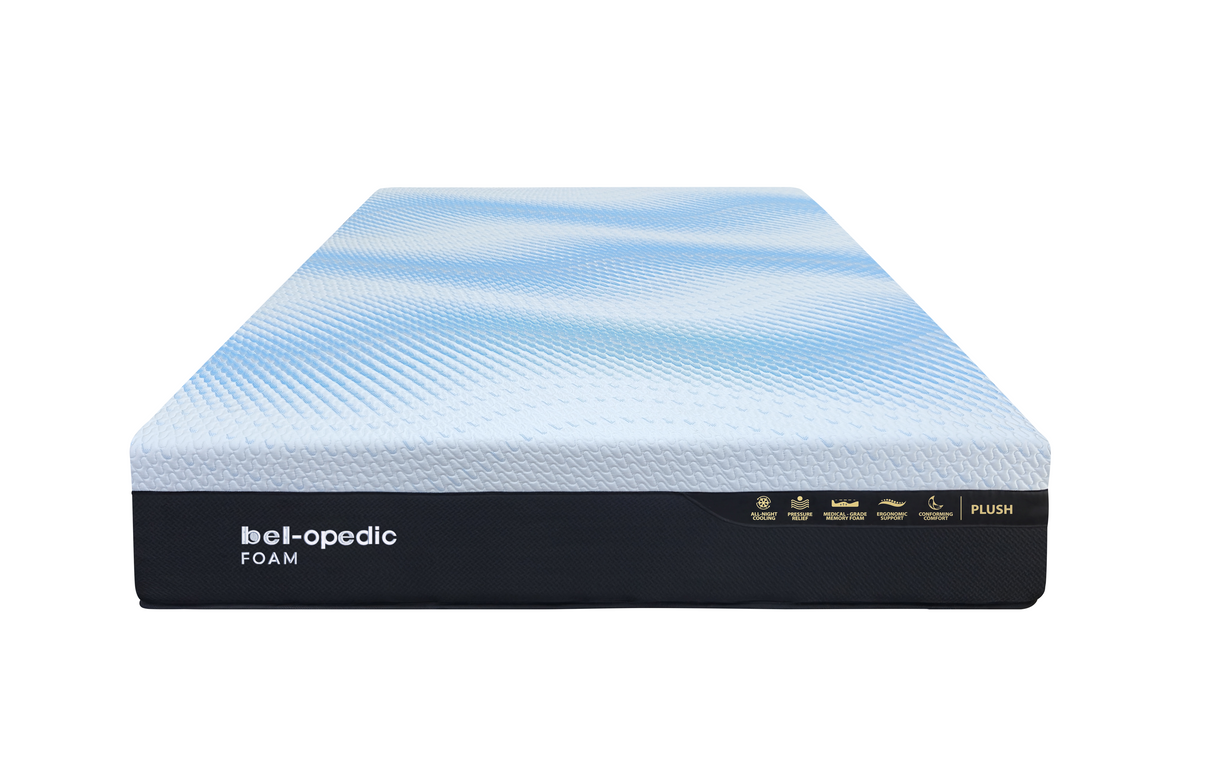
Allergies are another consideration. While not every guest will be sensitive, you may host someone with dust-mite or pet allergies without knowing it. Choosing a mattress with high-quality, low-VOC foams and pairing it with a hypoallergenic, waterproof mattress protector can help reduce allergen exposure and protect the mattress from spills or accidents. Protectors are particularly important in guest rooms that also host children, because they allow you to keep the actual mattress clean over many years of use.
Hygiene is also about ease of care. Removable, washable mattress protectors and layered bedding give you the ability to refresh the bed thoroughly between guests. A mattress that looks and smells fresh is part of how you communicate to visitors that you truly prepared for their arrival, not just made do with what was already there.

Guest Rooms That Do Double Duty: Mattresses for Multi-Use Spaces
Not every home has a dedicated room that sits waiting for guests. Often the “guest room” is also a home office, a hobby room, or a playroom. That reality influences the type of bed and mattress you choose. You may be deciding between a traditional bed frame, a daybed with a trundle, a sleeper sofa, or a Murphy bed.
If the room is used as an office most of the time, you might lean toward a bed that feels more streamlined during the day. A platform bed with built-in storage can keep the footprint contained while still providing a full or queen mattress for guests. A daybed with a trundle can look like a couch or bench when the room is in work mode and then become two separate sleeping surfaces when visitors arrive. In that setup, it is still worth investing in proper mattresses rather than basic trundle pads if you host adults regularly.
Sleeper sofas can be an option in very tight spaces, but the pull-out mattress is often thinner and less supportive than a true bed mattress, which can leave guests feeling springs or bars underneath. If you do choose a sleeper sofa for your guest space, consider pairing it with a high-quality mattress topper and reserving it for shorter stays. Your primary guest room, if you have one, is still the best place for your most supportive mattress.
Murphy beds, which fold up into the wall, can be excellent solutions for multi-purpose rooms, because they often accommodate standard mattress sizes and thicknesses. The mattress will spend a good portion of its life in a vertical position, so choosing a model that holds its shape well and using straps or supports as recommended by the manufacturer will keep it from shifting.
Whatever bed style you choose, the core advice remains: prioritize a supportive, medium-firm, appropriately sized mattress from a reliable brand, then build the rest of the guest room’s functionality around it. Bel Furniture can help you find bed frames and mattresses that work together to make multi-use rooms feel both practical and genuinely comfortable.

Budgeting for a Guest Room Mattress: Where to Spend and Where to Save
It is natural to wonder how much you really need to spend on a mattress that no one sleeps on every night. The good news is that guest beds do not usually experience the same daily wear and tear as primary beds, so a solid mid-range mattress can serve your guests very well for many years.
Mattress guides often suggest that materials and construction quality are major predictors of durability. Medium-firm hybrids and foams built with denser support cores tend to hold up better over time than very thin innersprings or ultra-budget models with minimal support layers. Because your guest mattress is a hospitality investment rather than something you personally lie on every night, the goal is to find the point where quality meets practical value.
Holiday seasons, including Christmas, and the weeks that follow, are often some of the best times of year to buy mattresses in general, with many brands offering deep discounts, bonus bedding, and extended trial periods during that period. Bel Furniture often participates in seasonal promotions across bedroom furniture and mattresses, so timing your guest room upgrade around those sales can stretch your budget further.
If you are working within a limited budget, focus your spending on the mattress itself first, then add accessories over time. A simple but sturdy bed frame can be dressed up later with a headboard or upgraded bedding. Start with the right size, a supportive core, and a comfort level that will serve most guests, and know that small upgrades like nicer sheets, pillows, and throws can be added in future seasons as you refresh the room.

Getting the Bed Guest-Ready: Finishing Touches Around the Mattress
Once you have chosen the right mattress for your guest room, there is a final layer of preparation that turns “a bed” into “a place where I actually want to sleep.” It starts with protection. A waterproof, breathable mattress protector acts as a barrier against spills, sweat, and allergens while still allowing the mattress to feel like itself.
Bedding matters, but it does not have to be complicated. Crisp sheets in a neutral color, a mid-weight comforter or duvet appropriate to your climate, and an extra blanket folded at the foot of the bed give guests options. Two pillows per person, in different firmness levels if possible, let visitors choose what feels best under their neck.
Small touches make big impressions. A folded towel on the bed, a place on the nightstand for glasses and a phone, an outlet or power strip within easy reach, and a small card with the Wi-Fi password all tell guests you thought about their comfort. None of those things replace the need for a supportive mattress, but they build on it, turning good sleep into a complete experience of hospitality.

Bringing It All Together with Bel Furniture
Choosing the right mattress for your guest room is not about obsessing over every technical detail; it is about understanding a few core principles and then applying them thoughtfully to your own home. When you step back, the picture is clear.
A guest room mattress should be supportive, comfortable, and versatile. A medium-firm feel tends to serve the widest range of guests. A size that fits both the room and the types of visitors you host—often a queen, sometimes a full or twin set—gives you flexibility. A thickness in the eight- to twelve-inch range, built with quality materials, offers better long-term support and durability. A mattress that is not already sagging, lumpy, or past its lifespan shows respect for your guests’ rest and wellbeing.
From there, you fine-tune. You consider whether a hybrid, foam, or innerspring construction fits your budget and your guests’ likely preferences. You pair the mattress with a solid foundation and a frame that fits the room. You add a protector, clean bedding, and the small details that make people feel at home the moment they set their suitcase down.
Bel Furniture exists to make that process easier. With a wide range of mattresses in different sizes, firmness levels, and constructions, along with matching bed frames and bedroom furniture, you can build a guest room that feels intentional and inviting, not improvised. When your holiday guests climb into bed at the end of a long day of travel, celebration, and conversation, they will feel the difference. And you will know that the most important part of their stay—their rest—has been taken care of.


